
CAREER-LEVEL TRAINING REIMAGINED
The Future of Drywall Skill Development
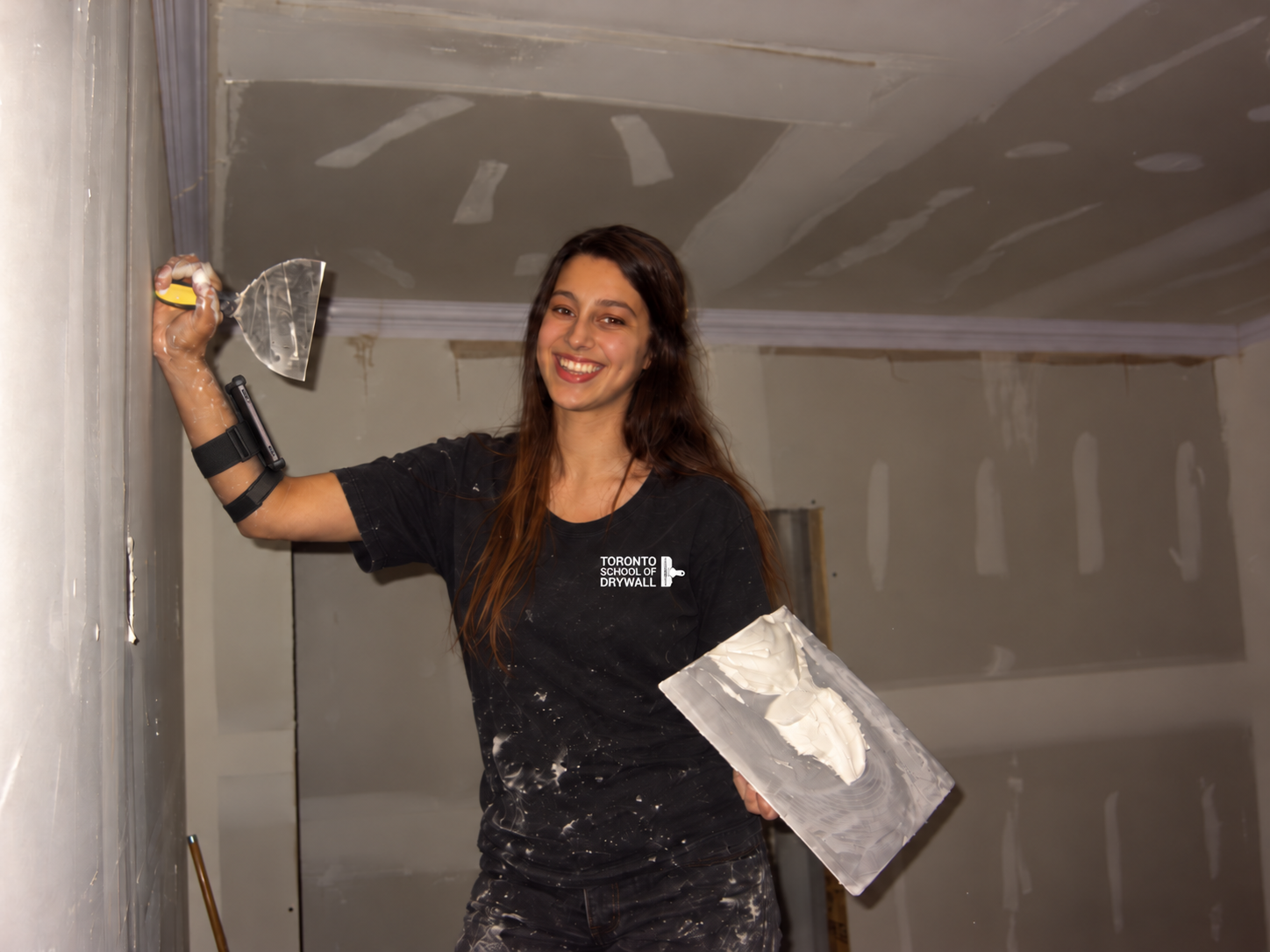
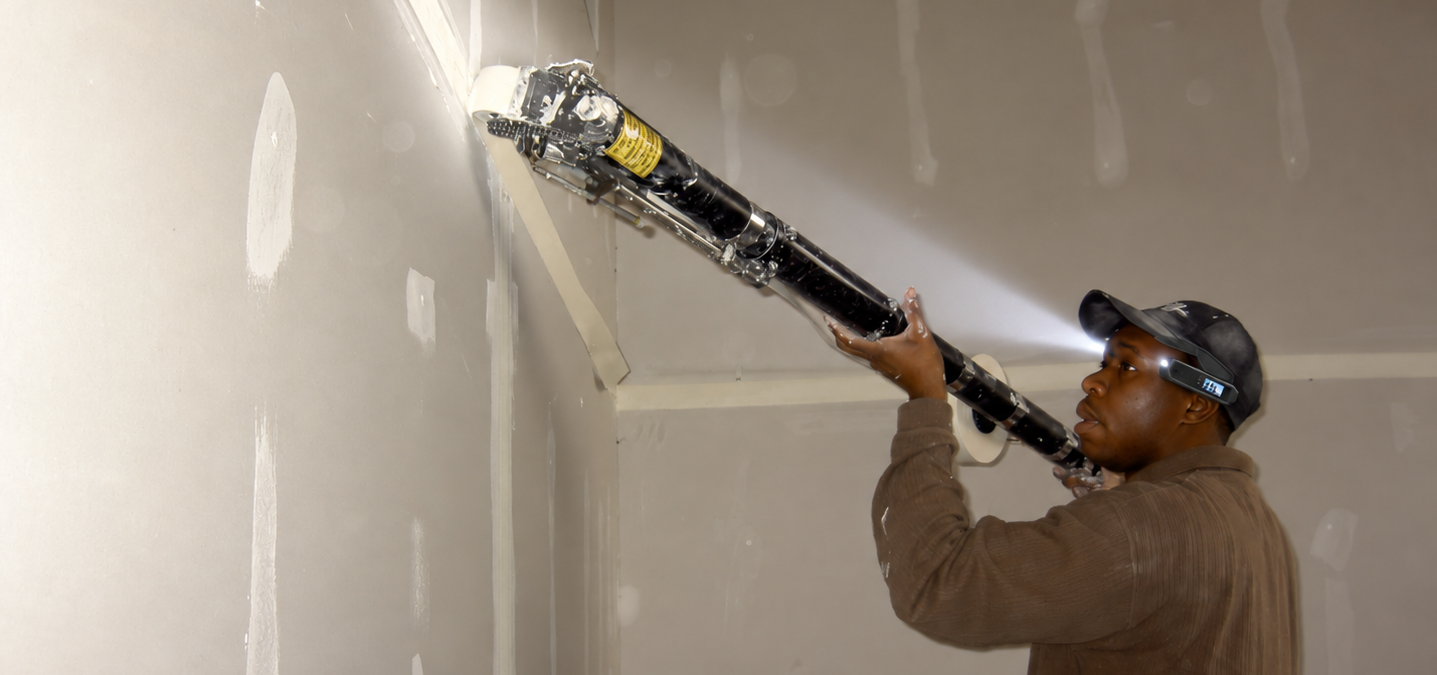
Career-level drywall training cannot be modernized simply by putting old lessons online. The real challenge is how to develop, support, and assess practical skills when the learner and instructor are not in the same place.
TSD is working toward a new model built for that challenge.
Online Content Is Easy. Remote Skill Development Is Not
The challenge is not delivering information. It is developing practical ability at a distance.
01
Develop the Skill
Psychomotor skill development and transfer across tasks and processes.
02
Close the Distance
Technology that connects remote learners with meaningful instruction, interaction, feedback, and support.
03
Measure What Matters
Credible observation and assessment of practical performance.
What If Geography and Cost Were No Longer the Gatekeepers?
Consider someone with strong hands-on aptitude who lives hundreds of kilometres from specialized trade training, cannot afford to relocate, or simply does not thrive in a conventional academic environment.
The ability to develop a valuable trade skill should not depend entirely on where that person lives or whether they can afford the cost and disruption of attending a physical school.
Modern technology creates a realistic opportunity to reduce those barriers while preserving rigorous standards of practical competence.
The objective is not to make trade training easier. It is to make rigorous practical training more accessible.
Training Is Only Part of the Opportunity
The way drywall is taught is not the only thing capable of improvement. TSD is also interested in the tools, products, processes, and technologies that can make drywall work easier to learn, more efficient to perform, and more consistent in quality.
Training Technology
Tools & Equipment
Products & Materials
Processes & Methods
BUILT ON EXPERIENCE
Not Finished. Not Starting Over.
TSD’s original training model already emphasized deliberate skill development, practical assessment, measurable progression, and the transfer of learning into real work.
The years that followed added experience in adult learning, instructional design, digital education, workplace training, and the challenge of scaling hands-on skill development.
The next step is to bring those worlds together.
The technology will change. The standard for practical competence should not.
Interested In Helping Move This Forward?
TSD welcomes conversations with educators, manufacturers, technology developers, contractors, workforce organizations, and others interested in advancing practical skills education.